

Building Island Tourism Options for Hotels

Whether it is a locally-owned hotel or is part of the multinational chains, both still create a good portion of the overall tourism of a specific region, city, or country as a whole. Island tourism is a whole other level, since they are more isolated, these kinds of hotels need ways to market their individual organizations. Although they are readily available at the locations, most often than not, the ones who do not have a very good online presence will not get booked. So today we will go through some of the ways on how island hotels can maximize their bookings by (1) generating extra revenue, (2) promoting local businesses to drive connections (3), and most importantly providing an overall unique guest experience – all through digital implementations! 1. Revenue Generation Opportunities Upsell amenities through lobby kiosks or your very own hotel app. Connect with a solutions provider who can allow your guests to choose additional subscription options or room upgrades as they check in on your property. If you have a native hotel app or progressive web apps, you can also see about implementing upsell opportunities to give your guests more options for upgrades to increase sales. If you are still undecided about getting an app for your property, read here to learn more about how to build a great app and it should get you started. Providing your guests more ticketing and tour options. While they are on your property, offer different options on where they should go and what they can do within the island. Conveniently allow them to book events or tourist attractions through your hotel kiosks or mobile app. Alternatively, you can also display upcoming events on your lobby’s digital screens to promote more awareness. 2. Digital implementations to drive local awareness and connection Your new guests or visitors may have little information on where the best places for them or their family would be. Don’t assume everyone would do their homework, so we do ours instead. You can use technology to help your travelers with their whereabouts within the destination. By providing ratings or other guests reviews, the ability to call or interact with vendors to ensure it’s the right fit. Provide different ways for them to see videos or engage with pictures on social media. Usually, touchscreen technology works best to show the “You are here” tracker but now, through wayfinding and interactive mapping, you can definitely give them more power by using their own phones through an app. If you want to learn about how progressive web apps are giving the hotel app a new life, better click here. Utilize technology to help build relationships with your guests and bridge the gap between them and the local businesses as well. Some features such as text and video conferencing can give your visitors a good idea of the great deals, shops, restaurants, and attractions within the property. Providing a contactless and convenient way to connect with staff and vendors. 3. Unique guest experience. Know that your guests may be jumping from one island to another as part of their trip. This means you have just enough time to provide them a wonderful experience to either make them stay longer or at least, make their stay unforgettable! Through technology, you can make them feel more in control of their stay – talk about self-service accesses! Provide them the liberty to visit/access inclusive benefits or locations without the need to always call someone for help. Tools like mobile/digital keys would be very helpful especially if they need to be somewhere during the wee hours of the day or just when no one’s available to entertain their queries. Notifications, guestbooks, surveys, and reviews. Make that stay count and get to hear real-time feedback from your guests. Use notifications and text solutions to provide easy feedback. Connect lobby touchscreen technologies to provide information and allow them to share things they would love to see. Ensure you connect with guests while on the property to solve any issues and keep those reviews sparking. Take the chance to also ask for a review for your property, because note that according to Tripadvisor, 4 out of 5 travelers would only book only after reading reviews and other customer feedback. That’s roughly 81% of all tourists. If you are looking for a tech partner to help you with digital implementations on each island/property, reach us at 833 300 6664 or email us at info@trueomni.com and we will get a marketing/sales specialist to assist what you need and what suits you best!.
Access Control meets Cloud Engagement The Evolution for Rentals, Hotels, and Boutiques
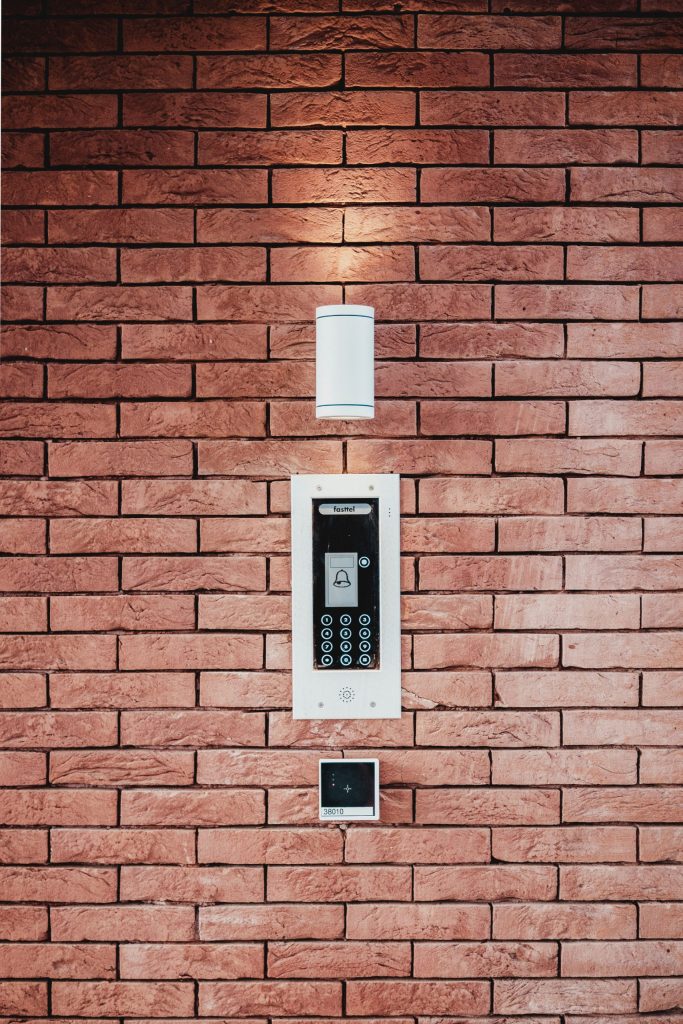
In the pursuit of automation, hotels, residences, and even planned communities’ first step will always lead to property management and access control. The goal is to provide access or provide options guests, residents, or tenants can use to access specific areas without having to do it manually. Apart from rooms and areas, some optional controls can include amenities or utilities such as lights, air conditioning, sockets, etc. There are different access control implementation options for the hospitality and commercial real estate industry. Here are the most common ones: Which include a mix of technologies, however, when done properly you can easily manage all of them from one platform. Cloud-based Access/Web Portal Systems, Digital Key, Mobile, and Interactive Touch/Kiosks. Cloud-based access systems – Cost is one of the biggest advantages of using a Cloud-based system. Since everything will be accessed through the cloud, you no longer need hardware, support costs, or costly IT people. Most programs include monthly or ongoing support that covers the regular maintenance of the actual system. You can manage the database of access points or ways to update navigation and policies from a web browser. Keyless entry is one of the most popular features for contactless manageable and convenient access in hospitality or any property. Using a cloud-based system for your digital lock and key management can help increase efficiency for your business as well as convenience for your customers. Through Bluetooth/NFC, guests will have access to their room keys (as well as other inclusive amenities and areas). For the digital lock solution, service providers often provide different unlocking methods – (1) pre-recorded numerical codes that can be tapped/clicked on the actual door locks or (2) Mobile phones via Bluetooth, (3) Fingerprint Mobile – Mobile is king for your guests and is the first step to connecting a more contactless and manageable experience. Normally called digital or mobile key, your guests simply book or reserve and they are presented with check-in and digital key options making it seamless and convenient to connect with your property. Here’s how it works. Customer books a room and receives a confirmation email containing the link to download the mobile key, they are prompted to go to your mobile app for details.. When they arrive on-property, the properties reservation system, PMS activates the mobile key platform upon guest’s successful check-in. The mobile key platform sends an encrypted digital key to the guest’s phone which can be used to unlock their rooms by tapping or just simply holding it close. During checkout, the PMS is automatically alerted to prompt the disabling of the mobile key through the mobile platform. Security is strong and processes is easier to manage with encryption and other built-in tools. You can see who and when someone accesses a location and how long they stay. Ensure you have different digital keys for housekeeping or management and always know the state of your property. Interactive Touch or Kiosks – Just like mobile devices, your interactive touch products or kiosks can also serve well in providing easy access control for your guests and visitors. These units can be linked to create and deliver encrypted room keys or even plastic keys to ensure a complete contactless experience. With the ability to book right at the point of purchase and get your key or confirmation through email, text, or paper. Help customers avoid lines and provide options for guests that may not want to use a mobile device. Also effective when guests need new keys or other types of engagement, which can be available 24×7 365 with no staff required. If you are looking for a vendor partner that can help you build a more frictionless strategy for your hotel through digital implementation, reach us at 833 300 6664 or email us at info@trueomni.com and we will get a marketing/sales specialist to assist what you need and what suits you best. Lorem ipsum dolor sit amet, consectetur adipiscing elit. Ut elit tellus, luctus nec ullamcorper mattis, pulvinar dapibus leo.
The Rise of the Media Network

A media network mostly known for retail markets, allows a brand to give their partner brands or members access to customers, using the key assets and expertise: their first-party customer data and high traffic channels (including their website, visitor centers, convention centers, lobbies, attractions). With the association’s first-party data, brands can reach in-market buyers at the point of purchase, across formats and owned channels. A successful media network is one that can effectively monetize all addressable channels in a brand-safe, privacy-compliant environment—all the way through to the end consumer. The largest brands in the world are leveraging co-ops and new ways to generate revenue. Now travel and hospitality may have an even more unique opportunity to build easy-to-manage and leverage media channels and networks by leveraging their partnerships and available locations. Here are the best channels to start your journey to omnichannel marketing through the creation of media networks, and some options to consider as you look to drive revenue and data value for your organization and stakeholders. Connect your current or web strategy to new offline channels: Digital Signage – Awareness and Revenue Location is everything, airports, visitor centers, attractions, high-traffic areas, and lobbies. Unique opportunities for signing placement agreements in key high-traffic locations. Controlled environment leveraging existing ad networks or starting your own. Kiosk – Fulfill new ways to provide visitor information while providing engaging advertising and options to build awareness. Provide easy sharing from signage to mobile. Easy upgrade opportunities and special offers Utilize QR codes to engage with eCommerce driving from awareness to the transaction. Mobile utilizes existing options by connecting each part of your channel marketing, ensuring consistency and revenue strategies. Notifications from origination of experiences to point of sale. Advertising Ticketing eCommerce Social – Utilize the largest media channels on the planet and connect each online or offsite network by showing actual customers using your brand. Improve connection points, retargeting and personalize experiences. Leverage existing social Ads and ways to connect onsite. Top Advertising options Traditional advertising connected and transformed too digital. Web and Mobile drive consistent engagement Digital signage promotes awareness and brand reinforcement. Interactive Kiosk visual driven with interactive options and data Top Tools to conversion QR code to download. eCommerce to purchase. Notifications to send alerts. Coupons & Deals for engagement Spa, shopping, and other points of amenity sales, scheduling, and more Digital visitor guides and going digital through mobile. Recommended Steps/Phases before Launching PHASE 1: Thinking through your channels, advertising, and conversions. Internally assessing getting into the media network space – How are you currently activating your first-party customer data? What’s your marketing mix (internally and with partner advertising)? Consider your brand partners: How do they support your marketing efforts? Promos? In-store? On-site? What locations could have the most impact with signage, kiosk and how to connect them to mobile (offers, deals, tickets, and more) How do you measure the performance of offline and online sales? What are your goals, KPIs, and business needs? What are your roadblocks to success? PHASE 2: Deciding on your partners and channels. Ask these questions to your potential vendors: What are your media sales, account management, and creative support capabilities? Do you need to partner for Ad sales? What do your measurement capabilities look like? Do you offer both on-site and off-site advertising capabilities? How does this data get back to your advertiser? What are your technological capabilities? Can you stand up a media network? How quickly? QUESTIONS FOR EACH PHASE IN YOUR JOURNEY Media network implementation can be a long process, so we’ve broken it out into three phases. No matter where you are in the maturity model, here are some questions you should ask to assess if you and your AdTech partners are capable of unlocking your full potential. PHASE 3: Maximizing the value of your first-party assets. What’s your tech stack, how to integrate it? How are you handling your data today? Who are you partnering with for your on-site strategy? Can you integrate off-site advertising into your strategy? Does your current partner only offer on-site advertising? Can you connect to other parties to provide off-site advertising options without having to change systems? If you are looking for a proven provider to help manage and deploy advertising on your new or existing hardware solutions, we can help you. Call us at 833-300-6664 or email us at info@trueomni.com and a specialist will walk you through our proven 5 step process for success.